Sabado, Agosto 25, 2012

PANCIT PHILIPPINES


Pancit or pansit is the term for noodles in Filipino cuisine. Noodles were introduced into the Philippines by the Chinese and have since been adopted into local cuisine. The term pancit is derived from the Hokkien pian i sit (Chinese: 便ê食; Pe̍h-ōe-jī: piān-ê-si̍t or Chinese: 扁食; pinyin: biǎn shí) which means "something conveniently cooked fast."[1] Different kinds of noodles can be found in Filipino supermarkets which can then be cooked at home. Noodle dishes are also standard fare in local restaurants. Food establishments specializing in noodles are often referred to as panciterias.
Nancy Reyes Lumen of the Philippine Center for Investigative Journalism writes that according to food lore handed down from the Chinese, noodles should be eaten on one's birthday.[1] They are therefore commonly served at birthday celebrations and Chinese restaurants in the Philippines often have "birthday noodles" listed on their menus. However, she warns that since "noodles represent long life and good health; they must not be cut short so as not to corrupt the symbolism.

CRISPY PATA


SISIG FOR ALL


Ang sisig ay isang kilalang ulam sa Pilipinas. Gawa ito sa mga bahaging-ulo ng baboy at ang mga laman nito, at maaaring palasahan ng kalamansi at/o sili. Madalas itong kinakain bilang pulutan kasabay ng beer at karaniwang hindi sinasabayan ng kanin.
Maaari rin tumukoy ang sisig sa isang paraan ng pagluto o paghanda ng pagkain. Sa ganitong pamamaraan, maaari ring isisig—nang hindi limitado sa paggamit ng ulo—ang tuna, pusit, at iba pa.
BINIGNIT PARA SA MALAMIG NA PANAHON


Binignit is a vegetable soup from the Visayas region in the Philippines. The dish [1][2][3] is traditionally made by Cebuanos with slices of Saba banana, taro, sweet potato. The people in the neighboring island Leyte, usually include landang (palm flour jelly balls), langka (jackfruit), anise and thickened with milled glutinous rice in cooking binignit. The vegetables along with pearl sago is cooked in a mixture of water, coconut milk and the local landang and sweetened by muscovado or brown sugar.
The soup is usually cooked and eaten during the Holy Week, especially Good Friday when the Visayans are fasting. It also is a popular afternoon snack. The soup is best served when hot.
It is comparable to various "guinataan" dishes in other regions such as Bilo bilo.
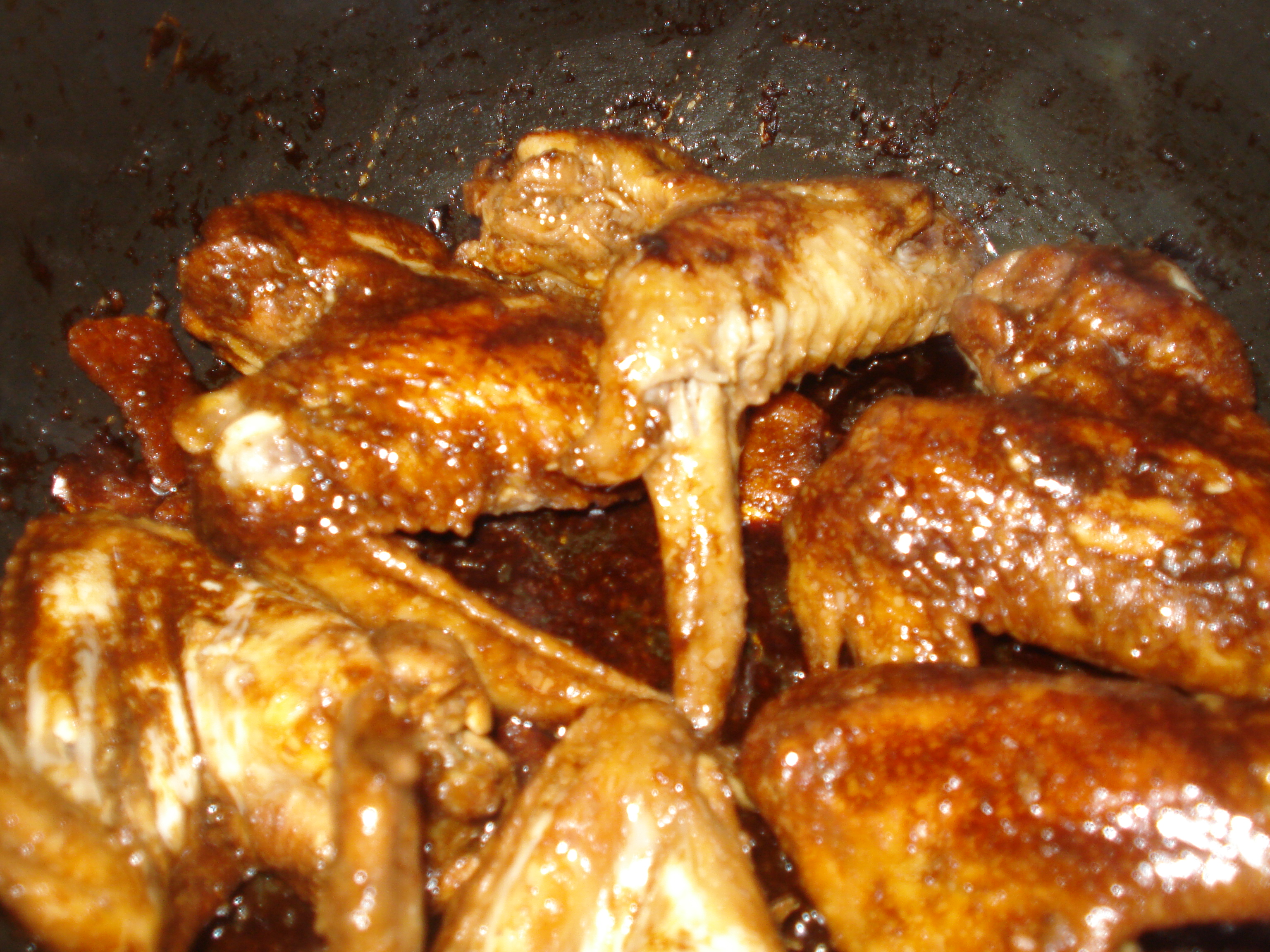
CHICKEN ADOBO PINOY STYLE

Ang adobo  ay isa sa mga pinaka-popular at pinaka-kilalang tradisyunal na lutuing Pilipino sa loob at labas ng Pilipinas. Niluto sa suka, toyo, bawang, at paminta ang mga sahog nito.Itinuturing ito bilang pambansang lutuin ng Pilipinas. Maaaring adobohin ang karne, isda o mga gulay. Ipiniprito ang karneng sangkop bago haluan ng suka at bawang.
Nagmula sa wikang Kastila ng Espanya at Mehiko ang salitang adobo na nangangahulugang "inatsara" o "kinilaw" (Ingles: pickled).


BIBINGKA THE GREAT


Ang bibingka (Ingles: rice cake) ay isang uri ng mamon na gawa mula sa malagkit na bigas o galapong at gatas ng buko.[1] Isa rin itong pagkaing meryenda sa Goa, Indya - ang bebinca - na ang ginagamit na mga sangkap ay harina, langis na ghee, asukal, at gata, at hindi nawawala sa anumang handaang katulad ng pagsilang, kasal, Pasko o Pasko ng Pagkabuhay. Niluluto ito sa isang hurnuhang yari sa putik, pinaiinitan ng mainit na uling na nakapatong sa ibabaw ng lutuin. Iniihaw ito ng patung-patong. Karaniwan na ang may 16 na mga patong. Bilang tanyag na pagkain sa Pilipinas, karaniwan naman itong ginagamitan ng galapong, at ang paghuhurno ay katulad ng sa pagluluto ng bebinca ng Indya, ngunit bago ihain ay pinapahiran muna ito ng mantekilya o margarina (mantekilyang gawa sa niyog) at binubudburan ng asukal. Isinisilbi ito na may kasamang ginadgad na niyog.

LECHON THE BEST

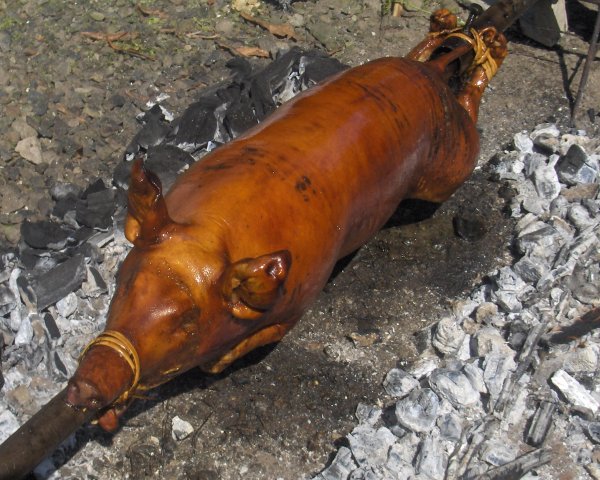
Lechón is a pork dish in several regions of the world, most specifically Spain and its former colonial possessions throughout the world. The word lechón originated from the Spanish term lechón; that refers to a suckling pig that is roasted. Lechón is a popular food in the Philippines, Cuba, Puerto Rico, the Dominican Republic, other Spanish-speaking nations in Latin America, and Spain. The dish features a whole roasted pigcharcoal. Additionally, it is a national dish of the Philippines,[1] and Puerto Rico.[2] Nowadays in most of Latin America, the original use of a suckling pig has given way to a medium-sized adult pig. cooked over
In most regions, lechón is prepared throughout the year for any special occasion, during festivals, and the holidays. After seasoning, the pig is cooked by skewering the entire animal, entrails removed, on a large stick and cooking it in a pit filled with charcoal. The pig is placed over the charcoal, and the stick or rod it is attached to is turned in a rotisserie action. The pig is roasted on all sides for several hours until done. The process of cooking and basting usually results in making the pork skin crisp and is a distinctive feature of the dish.